

As the unpredictable British weather continues to challenge homeowners across the country, protecting your outdoor furniture has become more crucial than ever. From sudden downpours to relentless UV rays during summer months, your prized armchairs face constant exposure to elements that can quickly diminish their appearance and structural integrity. Investing in durable armchair covers represents a practical solution that preserves both the aesthetic appeal and longevity of your garden furniture, ensuring that your outdoor living space remains inviting throughout the year. By selecting appropriate protective coverings and maintaining them properly, you can shield your furniture from weather damage whilst extending its serviceable life considerably.
Choosing the Right Armchair Covers for Weather Protection
Selecting suitable covers for your outdoor armchairs requires careful consideration of several factors that directly impact their protective capabilities. The material you choose will determine how effectively your covers defend against moisture, wind, and sunlight. Vinyl options provide exceptional durability combined with water-resistant properties that make them remarkably easy to maintain, whilst canvas alternatives offer breathability and lightweight characteristics that simplify both cleaning and storage. Polyester covers strike a balance between resilience and weight, delivering water-resistant protection without excessive bulk. When evaluating these options, consider how the unpredictable nature of British weather demands materials that can withstand sudden temperature changes, persistent dampness, and occasional strong winds that sweep across different regions. Resources such as fincaslavila.es provide valuable insights into selecting covers that suit various climatic conditions and furniture styles, helping you make informed decisions about protecting your outdoor investment.
Understanding material options and durability
The material composition of your armchair covers fundamentally determines their protective performance and longevity. Vinyl stands out as a particularly robust choice, offering substantial resistance to water penetration whilst maintaining its structural integrity even after prolonged exposure to harsh conditions. This material proves especially valuable in areas experiencing frequent rainfall, as it effectively prevents moisture from seeping through to the furniture beneath. However, vinyl can develop cracks over time if exposed to extreme temperature fluctuations, particularly during severe winters. Canvas presents an attractive alternative for those prioritising breathability, as this material allows air circulation that prevents condensation build-up underneath the cover. This characteristic makes canvas particularly suitable for regions with high humidity levels, though it typically commands a higher price point and requires more diligent maintenance to preserve its protective qualities. Polyester offers a middle ground, delivering lightweight water resistance combined with impressive UV protection that prevents fading and material degradation. When selecting materials, consider whether waterproof protection or UV resistance takes priority based on your local climate patterns, as coastal areas might demand different specifications compared to inland locations.
Measuring Your Armchairs for a Proper Fit
Accurate measurements form the foundation of effective furniture protection, as ill-fitting covers compromise both security and appearance. Begin by measuring the width of your armchair at its widest point, typically across the armrests, then determine the depth from the front edge to the backrest. Height measurements should extend from the ground to the highest point of the chair, accounting for any decorative elements or cushions that remain in place during coverage. A proper fit ensures that covers remain secure during windy conditions whilst preventing water from pooling in loose fabric sections. Look for covers featuring elastic hems or drawstring closures that create a snug fit around the furniture base, as these mechanisms significantly enhance stability. When ordering covers, allow for slight excess material rather than selecting overly tight options, as this provides flexibility for securing methods such as tie-down straps that attach directly to furniture legs. Remember that covers slightly larger than necessary can be adjusted using bungee cords or cover clamps, whereas undersized covers leave vulnerable areas exposed to weather damage.
Maintaining your armchair covers for long-lasting protection
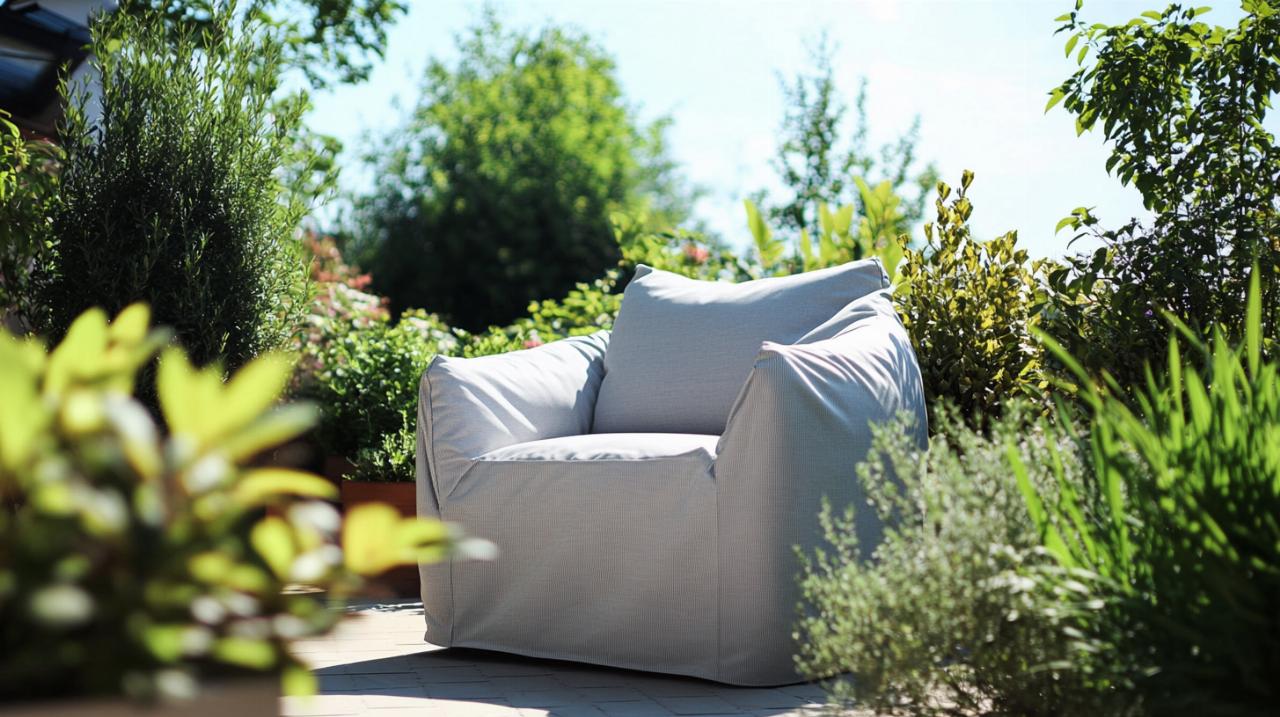
Proper maintenance routines significantly extend the serviceable life of your protective covers whilst ensuring they continue performing their intended function effectively. Regular cleaning prevents dirt accumulation that can degrade material fibres over time, whilst appropriate storage during periods of non-use protects covers from unnecessary wear. Establishing seasonal care practices helps you adapt maintenance approaches to changing weather patterns throughout the year, maximising the return on your investment in quality protective coverings.
Proper cleaning and storage techniques
Maintaining clean covers requires gentle yet thorough approaches that preserve material integrity whilst removing accumulated grime and stains. Hand washing with mild detergent represents the safest cleaning method for most cover types, as aggressive washing machine cycles can damage water-resistant coatings or weaken seams. Apply fabric cleaner specifically designed for outdoor materials when addressing stubborn stains, using a soft brush to work the solution into affected areas without causing abrasion. For particularly resistant marks such as coffee spills or bird droppings, multi-surface cleaners offer stronger cleaning action whilst remaining safe for most cover materials. After washing, always allow covers to air-dry completely before folding or storing them, as trapped moisture creates ideal conditions for mildew growth that can permanently damage the fabric. When preparing covers for storage during warmer months when protection becomes less critical, fold them neatly and place them in breathable storage bags within cool, dry spaces away from direct sunlight. Applying fabric guard products before storage helps restore water repellency that naturally diminishes over time, whilst vinyl protective cleaners prevent the cracking and fading that commonly afflict this material type. These preventative measures ensure your covers emerge from storage ready to provide immediate protection when autumn weather returns.
Seasonal care tips to extend cover lifespan
Adapting your maintenance approach to seasonal weather patterns helps covers withstand the specific challenges each period presents. During autumn and winter months when covers face their most demanding conditions, inspect securing mechanisms weekly to ensure tie-down straps remain firmly attached and weighted bags have not shifted position. High winds characteristic of British winters, particularly in coastal and elevated regions identified by meteorological studies, demand additional security measures such as ground anchors that provide supplementary stability. Consider reinforcing vulnerable areas with extra weight by strategically placing filled water bottles or sandbags on top of covers where they drape over armrests or backrests. Spring presents an ideal opportunity for thorough cleaning as you remove winter grime and inspect for any damage that occurred during harsh weather periods. Check for tears, worn areas, or compromised waterproofing that might require repair or replacement before the next challenging season arrives. Summer maintenance focuses on UV protection, as prolonged sun exposure gradually weakens synthetic fibres and fades colours. If possible, position armchairs in shadier locations or install portable garden screens that provide additional protection against intense sunlight. Throughout the year, ensure covers remain taut and properly secured, as loose fabric flapping in the wind accelerates wear and creates noise that might disturb outdoor relaxation. By implementing these seasonal strategies, you maintain optimal protection whilst identifying potential issues before they compromise your furniture's condition.