
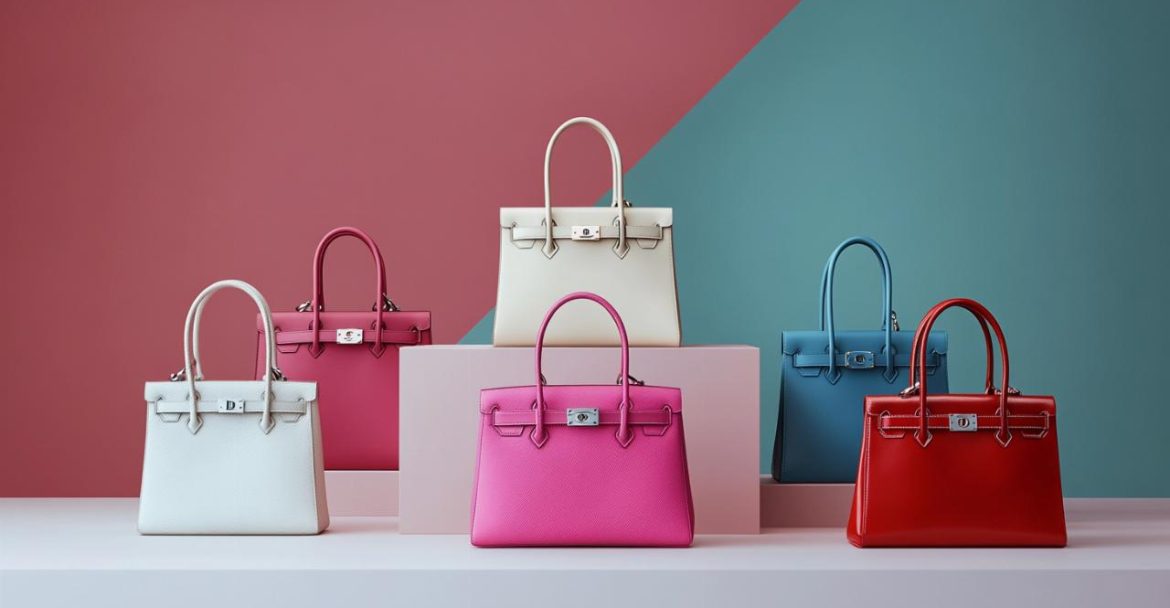
Fashion's most celebrated handbags have transcended mere accessories to become cultural landmarks, shaping the way we perceive luxury and personal style. Over the past three decades, certain designs have emerged not only as symbols of status but as enduring pieces that continue to captivate collectors and fashion enthusiasts alike. From the streets of London to the runways of Paris, these iconic creations have woven themselves into the fabric of contemporary culture, proving that true elegance never fades.
The Evolution of Designer Handbags Through the Decades
The 1990s: The Birth of the It-Bag Phenomenon
The 1990s marked a turning point in the world of luxury fashion, as the concept of the It-bag took hold of the public imagination. This era introduced a new kind of desirability, where a handbag was no longer simply a practical item but a statement of identity and aspiration. The Fendi Baguette, launched in 1997, became the quintessential emblem of this movement. Its compact, underarm silhouette quickly earned a place in popular culture, celebrated on television screens and red carpets alike. Since its debut, over a thousand different versions of the Baguette have been created, each iteration reinforcing its status as a timeless fashion icon. Meanwhile, Prada challenged conventional notions of luxury with its nylon bags, proving that innovation and elegance could coexist without relying solely on traditional materials. This decade also saw Karl Lagerfeld's revitalisation of the Chanel Classic Flap, adding the interlocking CC logo that would become synonymous with sophisticated style. The era's emphasis on bold branding and distinctive design laid the groundwork for the handbag obsession that would define the years to come.
The 2000s and 2010s: From Status Symbols to Personal Style Statements
As the new millennium unfolded, the allure of It-bags intensified, with waiting lists stretching for months and fashion devotees clamouring for the latest release. The early 2000s witnessed the rise of standout pieces such as the Dior Saddle bag, whose curvaceous form and equestrian-inspired details captured the spirit of the times. Louis Vuitton's collaborations with Takashi Murakami introduced vibrant, playful designs that merged high fashion with contemporary art, while the Balenciaga Motorcycle bag gained cult status after being spotted on the arm of Kate Moss. These years were characterised by a willingness to experiment, with Chloé's Paddington bag making headlines despite weighing over a kilogram, and Alexander Wang's Rocco bag offering an edgier alternative to traditional luxury. By the 2010s, the landscape had evolved further, with brands like Céline introducing the Luggage Tote, a design that became a cult favourite for its architectural silhouette and understated elegance. Mulberry's Alexa, inspired by the style icon Alexa Chung, exemplified the shift towards bags that reflected personal narratives rather than mere status. Givenchy's Antigona, Chanel's Boy bag, Chloé's Faye, and Gucci's Dionysus each contributed to a diverse tapestry of styles, demonstrating that the modern handbag landscape was no longer dominated by a single aesthetic but celebrated individuality and self-expression.
The Most Coveted Handbags That Have Stood the Test of Time
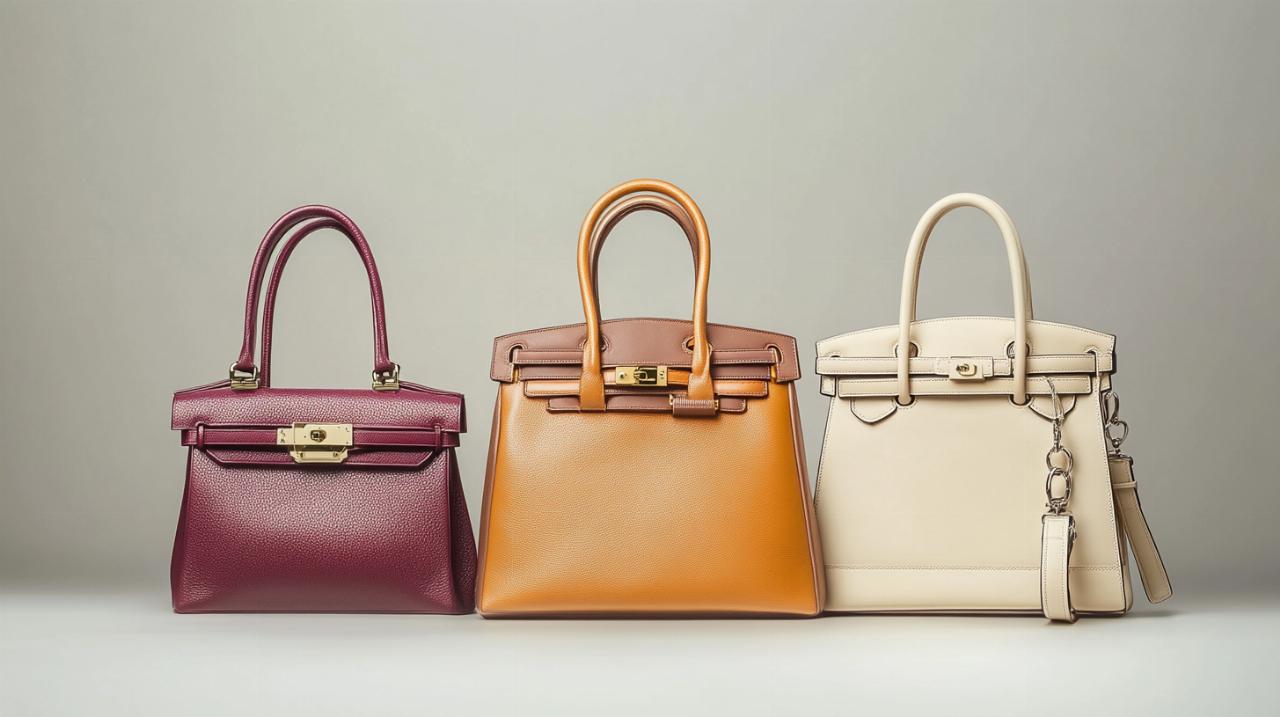
Classic silhouettes that remain fashion staples today
Certain handbag designs have achieved a rare longevity, remaining relevant across shifting trends and generations. The Chanel 2.55, introduced in 1955, continues to be revered for its quilted leather and elegant shoulder strap, a design that revolutionised the way women carried their belongings. Similarly, the Hermès Kelly bag, popularised by Grace Kelly in 1956, remains a symbol of refined sophistication, its structured form and meticulous craftsmanship ensuring its place in fashion history. Louis Vuitton's Alma, originally created in a smaller size for Audrey Hepburn, exemplifies how a bespoke creation can evolve into a universally admired classic. The Gucci Horsebit 1955, with its equestrian-inspired hardware, bridges heritage and modernity, while the Dior Saddle bag, once a defining accessory of the early 2000s, has experienced a resurgence in recent years, proving that great design can be rediscovered and celebrated anew. Bottega Veneta's intrecciato weave, a technique developed in the 1960s, continues to define the brand's identity, offering a tactile richness that distinguishes it from its peers. These classic silhouettes are not relics of the past but living pieces that adapt to contemporary tastes while retaining their original charm. For those who wish to explore these enduring styles further, visit losmasdeseados.es to discover a curated selection of timeless fashion pieces.
Investment pieces: why certain bags retain their value and appeal
The enduring appeal of iconic handbags is not solely a matter of aesthetics; these pieces have proven to be sound financial investments as well. The Mulberry Roxanne, for instance, saw its resale value increase by seventy per cent in the past year alone, underscoring the growing market for vintage luxury goods. Factors such as durable materials, timeless colours, and classic designs contribute to a bag's ability to retain its value over time. The Longchamp Pliage, which has remained relevant for more than three decades, exemplifies how practicality and style can coexist, ensuring a bag's place in the wardrobes of successive generations. The pillowy designs that emerged in the 2020s, such as Bottega Veneta's Pouch, offered a tactile richness that resonated with consumers seeking comfort and elegance in equal measure. Colour-pop bags, which provided a mood boost following periods of lockdown, demonstrated that even bold choices could become enduring favourites when executed with thoughtful design. Prices for sought-after pieces reflect their lasting appeal, ranging from accessible options like the Coach Tabby 26 at four hundred and seventy-five pounds to vintage Chanel designs at over four thousand pounds. Whether one is drawn to the architectural lines of the Loewe Puzzle Edge, the playful charm of the Miu Miu Wander, or the understated luxury of The Row Blake, the key to a worthwhile investment lies in selecting pieces that resonate on both a personal and aesthetic level. These bags are not merely fashion statements but heirlooms in the making, destined to be cherished for years to come.