
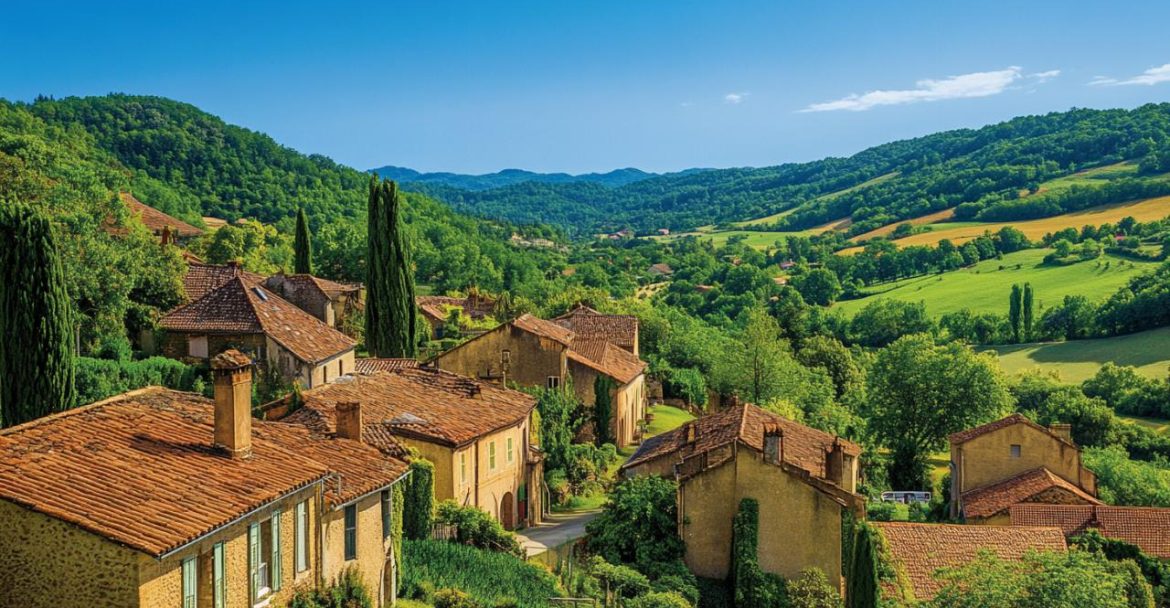
Nestled in the heart of the Pyrénées-Atlantiques department, the Pays de Morlaàs stands as a testament to the enduring spirit of Béarn, where rolling hillsides meet the foothills of towering peaks and where community life revolves around shared passions that stretch far beyond the ordinary rhythms of rural France. This distinctive corner of the region weaves together centuries of history, the thrill of sporting excellence, and the quiet beauty of landscapes that invite exploration. From its historic capital to the communes that dot the Vic-Bilh countryside, the territory offers visitors and inhabitants alike a rich tapestry of experiences rooted in tradition and animated by a vibrant local culture.
Discovering the Territory: From Historic Morlaàs to the Foothills of the Pyrenees
Geographic Identity and Administrative Framework of the Pays de Morlaàs
The Pays de Morlaàs occupies a strategic position in the north of the Béarn region, extending across undulating terrain that gradually rises towards the Pyrenees. This territory forms part of the wider Aquitaine framework, a region that has long been defined by its relationship with both the Atlantic coast and the mountainous south. The administrative structure of the area reflects the traditional organisation of rural France, with the canton system providing a framework for local governance and community representation. Departmental advisors play a crucial role in shaping policies that affect daily life, from tourism development to the preservation of cultural heritage. The code of each commune within the Pays de Morlaàs helps identify its place within the broader departmental structure, ensuring that even the smallest villages maintain their voice in regional affairs.
The town of Morlaàs itself served as the capital of Béarn from 1080 to 1260, a period during which it established legal and democratic traditions that would influence the region for centuries to come. The Fors de Morlaàs, a charter promoting justice and democracy, became a cornerstone of local governance and reflected the independent spirit that characterised Béarn even before its eventual union with France under Henry IV. Today, the historic significance of Morlaàs remains evident in its architecture and urban plan, with the Sainte-Foy church standing as a magnificent example of Romanesque art. This sacred building dates back to an era when pilgrims travelling to Santiago de Compostela would pass through the region, leaving their mark on the spiritual and cultural landscape of the territory.
The communes that shape this distinctive corner of béarn
The Pays de Morlaàs encompasses a collection of communes that together create a mosaic of rural and semi-urban life. Each village and town contributes its own character to the wider identity of the territory, with settlements like Montaneres and Saint Marie offering glimpses into the traditional Béarnais way of life. The proximity to Pau, located just over ten kilometres from Morlaàs, means that the capital city exerts a significant influence on the surrounding communes, providing employment opportunities, cultural institutions, and sporting facilities that serve the entire area. The relationship between Pau and the smaller communes of the Pays de Morlaàs illustrates the balance between urban development and rural preservation that defines much of contemporary Béarn.
Further south, the communes stretch towards Oloron Sainte Marie, a city with roots extending back to Roman times and a cathedral recognised as a UNESCO World Heritage Site. The departmental landscape between these two poles encompasses a variety of settlements, each with its own administrative structure and local traditions. The canton system helps to organise this diversity, allowing for coordinated planning whilst respecting the autonomy of individual communes. Sainte Foy and other villages in the Vic-Bilh area maintain strong agricultural traditions, with inhabitants working the land in ways that have changed remarkably little over generations. The rainy climate of the Atlantiques department ensures that the hillsides remain green throughout much of the year, supporting both pastoral farming and the cultivation of crops that have sustained the region for centuries.
Rugby roots and community spirit: how sport defines local identity
The Passion for Oval Ball Excellence Across Hillsides and Villages
Rugby occupies a place of almost religious significance in the Pays de Morlaàs and throughout Béarn, serving as a focal point for community identity and regional pride. The sport permeates every level of society, from youth clubs in small villages to the professional ranks of teams based in Pau. Section Paloise, founded on the third of April in 1902, represents the pinnacle of rugby achievement in the region, competing in the Top 14 and Challenge Cup with a proud history that includes French Pro D2 championships in both 2012 and 2013. The club's green and white colours are visible throughout the Pays de Morlaàs, worn by supporters who travel from communes across the territory to attend matches and celebrate victories that resonate far beyond the stadium.
The connection between rugby and local life extends into the fabric of daily existence, with club activities providing structure to the social calendar and creating bonds that unite inhabitants across generational divides. Young players learn not only the technical skills of the game but also the values of teamwork, resilience, and community loyalty that define Béarnais culture. The hillsides around Morlaàs echo with the sounds of training sessions and matches, whilst village clubs compete in regional leagues that feed talent into the professional system. This sporting infrastructure creates pathways for young people to develop their abilities whilst remaining connected to their roots, ensuring that the tradition of rugby excellence continues to flourish in the territory.
Community gatherings and sporting traditions that unite inhabitants
Beyond rugby, the Pays de Morlaàs embraces a diverse range of sporting activities that bring together inhabitants from across the cantons. Basketball enjoys considerable popularity, with Élan Béarnais Pau Lacq Orthez serving as a rallying point for fans throughout the region. Founded in 1931, the club competes in Pro B and boasts an impressive trophy cabinet that includes a French Championship in 2004 and a French Cup victory in 2022. The team's success has helped to establish Pau as a genuine sports city, attracting students to the Université de Pau and contributing to the vibrant atmosphere that characterises the capital of Béarn.
Equestrian sports also play a significant role in the sporting life of the territory, with over two thousand horses located within fifty kilometres of Pau. The region hosts prestigious international events, including the Concours Complet International that takes place each October, drawing competitors and spectators from across Europe. This competition, created in 1990, became the only event of its kind in the world when Pau took on exclusive hosting duties in 2015. The five stars of Pau represents one of the most famous equine gatherings on the international calendar, showcasing the region's expertise in horse breeding and training. These events contribute significantly to tourism in the Pays de Morlaàs, bringing visitors who explore not only the sporting venues but also the wider attractions of the territory.
Living Well in Béarn: Tourism, Activities and the Rhythm of Daily Existence
Outdoor Pursuits and Hikes Through Vic-Bilh and Surrounding Landscapes
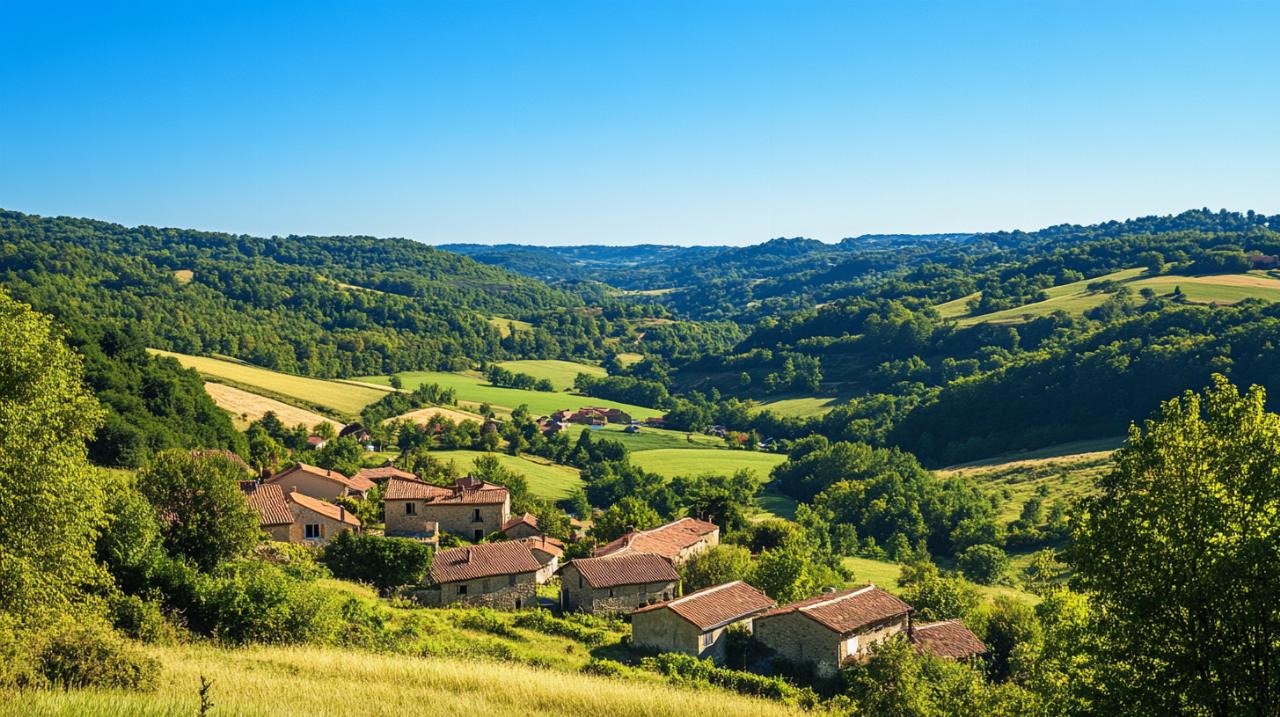
The natural environment of the Pays de Morlaàs provides endless opportunities for outdoor activities that allow both inhabitants and visitors to connect with the landscape that defines the region. Hiking trails crisscross the Vic-Bilh area, leading through forests, across hillsides, and along river valleys that showcase the remarkable diversity of terrain within a relatively compact territory. The countryside between Morlaàs and the Pyrenees offers routes suitable for all levels of ability, from gentle walks through agricultural land to more challenging ascents that reward effort with panoramic views stretching from the plains of Béarn to the snow-capped peaks of the mountain range. These hikes reveal the intimate relationship between the people and the land, passing through villages where traditional stone architecture blends seamlessly with the surrounding environment.
The Gave de Pau river provides a natural corridor for water sports, with canoeing and rafting attracting enthusiasts who appreciate the combination of scenic beauty and physical challenge. The river's course through the region creates opportunities for activities that range from leisurely paddling to white-water adventures, catering to different interests and skill levels. Cycling also features prominently in the local sporting culture, with roads and paths that include mountain passes used in the Tour de France. The annual passage of this prestigious race through the region serves as a reminder of the international profile that Béarn has achieved through its association with sporting excellence. Every July, communities throughout the Pays de Morlaàs celebrate the event, with inhabitants lining the routes to cheer on participants in a tradition that reinforces the connection between sport and regional identity.
Local Life Between Pau and Oloron: Urbanism, Plan and Regional Development
The daily rhythm of life in the Pays de Morlaàs reflects a balance between tradition and modernity, with the territory maintaining its distinctive character whilst adapting to the demands of contemporary existence. The urban plan for Morlaàs itself preserves the historic core of the town, with a walking tour of approximately two and a half kilometres allowing visitors to explore old houses, the Place de la Hourquie, the ancient wash house, the railway station, and the Porte de la Baque. These landmarks provide tangible links to the past, helping inhabitants and tourists alike to appreciate the continuity of community life across centuries. The preservation of such heritage sites forms part of a broader approach to urbanism that seeks to respect historical identity whilst providing the infrastructure necessary for modern living.
The relationship between Pau and the surrounding communes shapes much of the development planning for the region, with the capital city serving as an economic and cultural hub whilst smaller settlements maintain their agricultural and residential character. The proximity of other towns such as Assat, Sauvagnon, Jurançon, and Lescar creates a network of communities that share resources and coordinate planning initiatives. This collaborative approach helps to ensure that tourism development benefits the entire territory rather than concentrating solely in urban centres. The Pays de Morlaàs continues to attract visitors drawn by its combination of historical significance, sporting culture, and natural beauty, with tourism contributing to the local economy whilst presenting challenges related to sustainability and the preservation of authentic community life. The ongoing dialogue between tradition and change defines much of the contemporary experience in this distinctive corner of France, where the legacy of the past informs the possibilities of the future.