

Whether you are pounding the trails at dawn or navigating a blustery ridge on a long-distance hike, the humble buff is one of those quietly remarkable accessories that earns its place in any outdoor kit. Lightweight, packable, and extraordinarily versatile, this simple tube of fabric has become a staple for runners, hikers, and explorers who refuse to be caught underprepared. Knowing how to wear one well, however, takes a little know-how — and that is precisely what this guide sets out to share.
Key takeaways
- The buff is a versatile, lightweight tube of fabric that serves as an essential, multi-functional tool for runners, hikers, and outdoor enthusiasts.
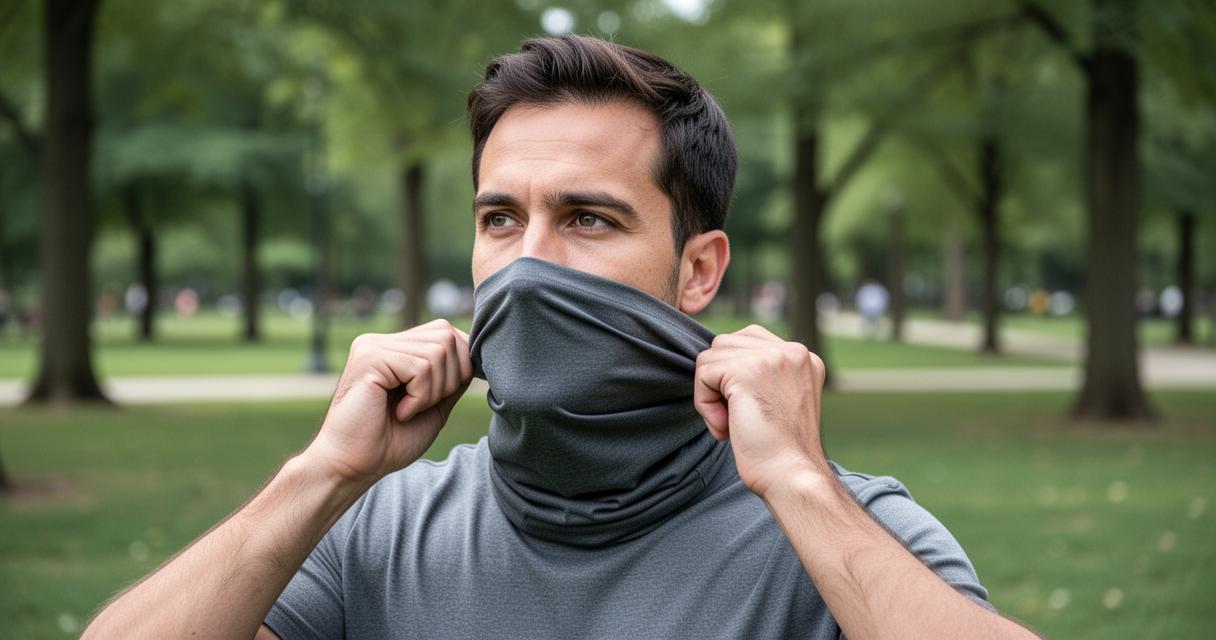
- Worn as a neck gaiter, the buff provides an adaptable shield against wind, dust, and sun, and can be quickly pulled up over the nose and mouth when needed.
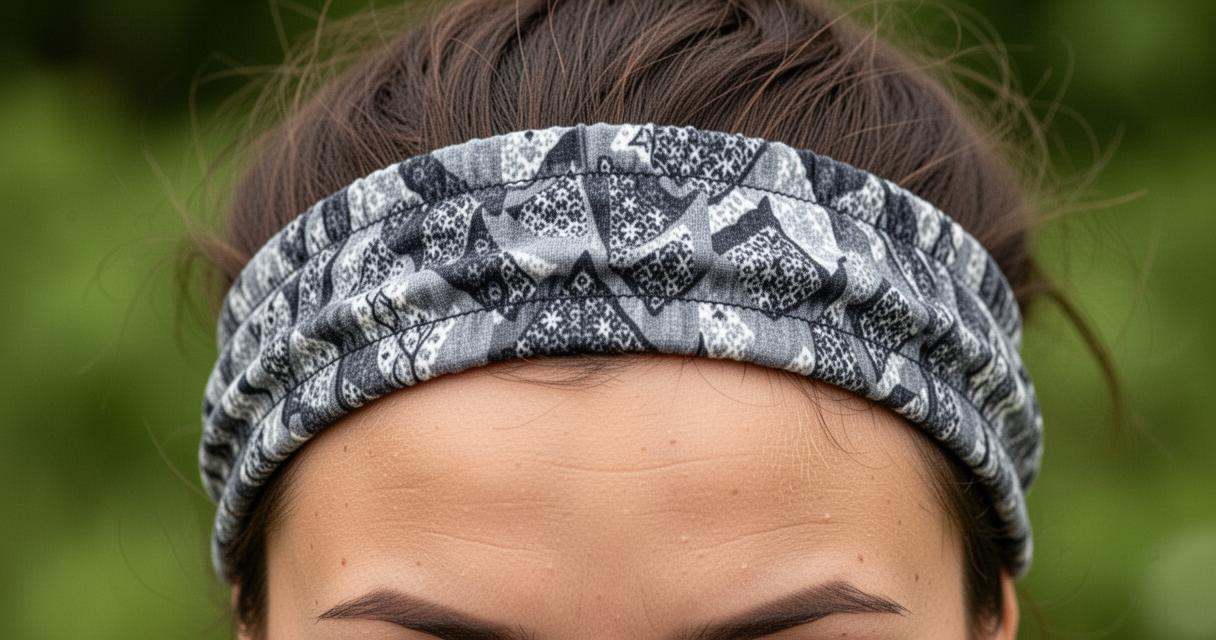
- Folding the fabric into a headband helps control hair and effectively channels sweat away from the eyes during intense physical activity.
- For cold conditions, the buff can be transformed into a lightweight beanie that traps warmth, remains comfortable when damp, and fits easily under helmets.
- The ‘Saharan style’ provides maximum solar defense by covering the crown, neck, and ears, making it ideal for exposed, high-altitude trails.
- Wearing a buff on the wrist serves as a convenient sweat towel or a source of light warmth, while also offering a cushioned barrier for those wearing GPS watches.
Mastering the Classic Neck Wear and Headband Styles
For those just getting to grips with this multifunction accessory, the two most intuitive starting points are the neck gaiter and the headband. These foundational wear methods cover the majority of everyday trail scenarios and require no special technique — just a willingness to experiment on the move. Once you understand the basic tubular construction of the buff, a whole range of styling options opens up naturally.
The Reliable Neck Gaiter for Wind and Sun Protection
Slipping the buff over your head and letting it rest loosely around the neck is the most straightforward way to use it, and also one of the most practical. Worn this way, the fabric creates a flexible shield against biting wind, trail dust, and direct solar exposure on exposed ridgelines. During summer hikes, this configuration pairs brilliantly with a wide-brimmed hat and lightweight, moisture-wicking clothing — together they form a coherent system of sun protection that keeps you comfortable for hours on foot. The neck gaiter sits low enough to be tugged upward over the nose and mouth in a matter of seconds, making it remarkably adaptable when conditions shift unexpectedly.
For trail running, the neck position is equally well suited. The buff stays out of the way during effort, yet remains instantly accessible when you drop into a shaded valley and the temperature dips. Choosing a version crafted from merino wool adds a natural odour resistance and a pleasing softness against the skin — qualities that become genuinely appreciated on multi-hour outings.
The Versatile Headband to Keep Hair and Sweat at Bay
The headband configuration is achieved simply by folding the tube flat, doubling it over, and positioning it across the forehead. This keeps hair neatly controlled during vigorous effort and, more importantly, channels sweat away from the eyes — a small but meaningful contribution to safety and comfort on a technical trail. The doubled layer of breathable fabrics still allows enough ventilation to prevent overheating, even during high-intensity running.
A merino headband worn during a race or a demanding day hike sits comfortably beneath a helmet without creating pressure points, which is more than can be said for heavier hiking accessories that were not designed with movement in mind.
Adaptable headwear solutions for cold weather hikes
When temperatures fall and thermal layers come out of the wardrobe, the buff proves its worth all over again. Its ability to transform into effective cold-weather headwear means it can genuinely replace bulkier items, saving space in a day hike backpack — experts generally recommend a capacity of around 20 to 30 litres for a comfortable, well-balanced load. Pairing the buff with a solid three-layer system of moisture-wicking base layer, insulating mid-layer, and protective outer shell ensures you remain warm and dry regardless of what the mountain decides to throw at you.
Transforming the Tubular Fabric Into a Warm Beanie
Pulling the buff fully over the head so that it covers the ears and sits snugly on the crown creates a lightweight beanie. This is one of the cleverest tricks in the buff’s repertoire, delivering meaningful warmth without any additional bulk in your pack. For winter hiking, pairing this configuration with merino wool fabric makes a noticeable difference: natural wool fibres trap warmth efficiently, manage moisture actively, and remain comfortable against the skin even when damp — a crucial advantage when effort levels vary throughout a long day on the hills. Merino wool socks follow the same logic, offering cushioning and blister prevention in equal measure.
A merino beanie buff worn over a moisture-wicking base layer sits neatly under a hood or helmet, adding just enough insulation to stave off the chill during rest stops when the body cools rapidly. It is the sort of solution that experienced hikers appreciate precisely because it weighs almost nothing yet delivers a disproportionate level of comfort.
The saharan style for ultimate solar defence
The Saharan style is perhaps the most theatrical of the buff’s configurations, yet it earns its place on exposed, sun-drenched trails where UV exposure is a genuine concern. To achieve it, the buff is drawn up over the crown of the head, with excess fabric allowed to drape down over the neck and ears, mimicking the protective headwear seen across desert-crossing cultures for centuries. This approach offers remarkable solar coverage and pairs naturally with sunglasses that carry UV400 protection — a combination that reduces glare and safeguards both skin and eyes during long summer tours at altitude.
Fabrics with UPF-rated properties enhance this configuration further, and many modern buffs in the available range are engineered precisely with this purpose in mind. The Saharan method is particularly popular among trail runners competing in warm climates, where managing heat is every bit as important as managing effort.
Innovative Trail Tricks for the Active Runner
Beyond the obvious headwear applications, experienced runners and hikers have developed a handful of creative uses that extend the buff’s utility into unexpected territory. These trail tricks speak to the broader spirit of outdoor apparel: every item you carry should earn its weight by serving multiple functions when called upon.
Wearing Your Merino Wool Accessory on the Wrist
Rolling the buff into a narrow band and wearing it on the wrist is a practical habit that many seasoned trail runners swear by. Positioned here, it doubles as a sweat towel for the face and brow during intense effort — particularly useful during a punishing running climb where hands are needed for poles or scrambling. A merino wool buff on the wrist also provides a light layer of warmth during the early miles of a cold-morning start, when fingers and forearms are still waking up, without requiring gloves that might feel excessive once the pace picks up.
This configuration keeps the buff accessible without it flapping loose or shifting underfoot, which matters considerably when the trail demands full attention. The wrist position is equally sensible on a hiking day: roll it down as the sun climbs and roll it back up when cloud cover rolls in.

Keeping an Eye on Your GPS Watch During a Tough Race
When worn on the wrist alongside a GPS watch, the buff can be adjusted to sit just below the device, providing a cushioned barrier between the watch strap and the skin during a long race or an extended trail effort. This small adjustment prevents chafing on the inner wrist — a surprisingly common complaint among runners who log significant hours on foot with a performance watch in place.
Equally, some runners loop the buff over the watch itself during pre-race downtime to keep the display shaded and easier to read in bright conditions, pulling it free the moment the starting signal fires. These are the kinds of small, considered habits that define the experienced trail athlete: using what they carry to its fullest potential, adapting instinctively, and heading into every hike or race with nothing wasted in the kit.
Ultimately, the buff rewards curiosity. Each tour on the trails presents fresh reasons to experiment with its configurations, and the more time you spend on the hills, the more naturally each style becomes second nature. From protecting the neck against biting wind to fashioning a warm beanie on a frost-bitten morning ridge, this one compact tubular accessory quietly handles more than most items twice its size — which is precisely why it has earned its place in every serious explorer’s kit.