
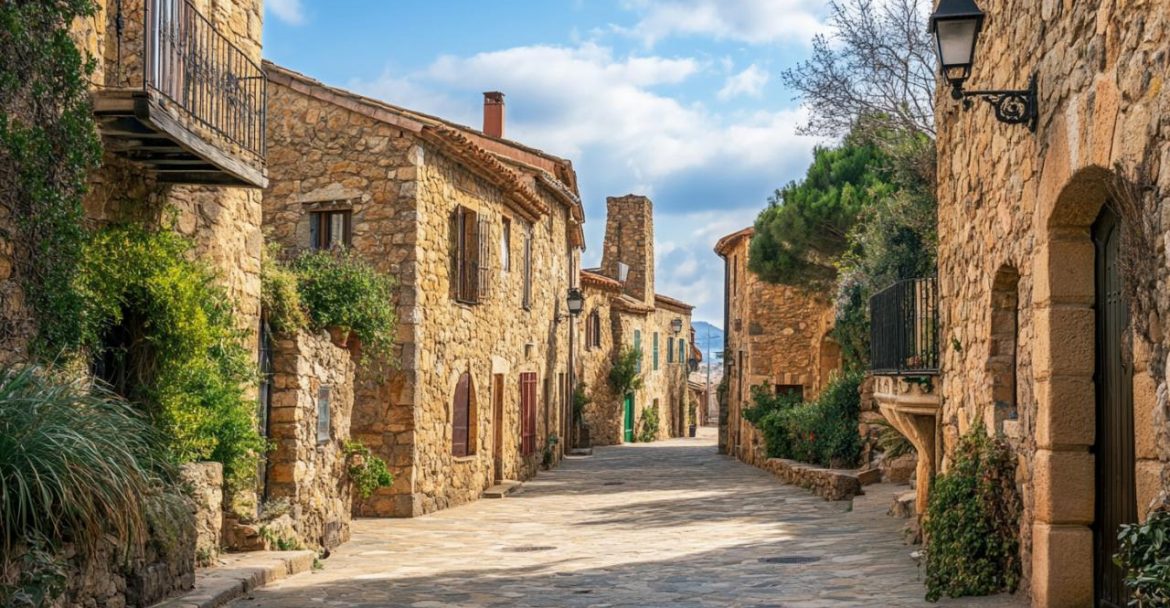
Nestled within the heart of the Costa Brava, the medieval village of Pals emerges as a destination where time appears to have paused, preserving the essence of centuries past. As February unfolds in 2025, this stone-clad settlement invites visitors to wander its narrow lanes, taste the flavours of Catalan winter, and experience traditions that have endured for generations. Far from the bustling crowds of summer, the quiet season reveals a side of Pals that is both intimate and enchanting, offering a glimpse into the rhythms of life that have shaped this historic corner of Catalunya.
Discovering pals' medieval heritage during the quiet season
February is an ideal month to explore the medieval quarter of Pals without the throngs of tourists that descend upon the Costa Brava during warmer months. The historic core of the village, with its fortified walls and ancient pathways, stands as a testament to a past that stretches back over a millennium. The earliest records of Pals mention a castle with a tower in the year 889, making the settlement well over eleven centuries old. The name itself derives from the Latin word Palus, meaning swampy place, a reference to the wetlands that once surrounded the area before the sea retreated more than two kilometres since the year 1300.
Wandering Through the Stone-Paved Streets of the Historic Quarter
The cobblestone streets of Pals wind through a landscape frozen in time, where every corner reveals architectural details that speak of the village's storied history. The medieval quarter was declared a Site of Historic Interest in 1973, a recognition of its exceptional preservation and cultural significance. As you meander through the alleyways, the stones beneath your feet are the same that have borne the footsteps of merchants, soldiers, and villagers for hundreds of years. The fortified walls, erected in 1293 when Pals was granted a market, still encircle the village, offering a tangible connection to the days when pirate raids threatened the coastline. In 1401, King Martín of Aragón loaned the town forty thousand solidi to bolster its defences, a measure that underscores the strategic importance of this settlement in medieval Catalonia.
One of the most captivating aspects of exploring Pals is the opportunity to discover the intricate details of Gothic architecture that adorn the buildings. The church of Església de Sant Pere, a structure that has stood for a thousand years, was rebuilt using stones salvaged from the dismantled castle. The castle itself was taken apart in 1478 following the Catalan Civil War, which raged from 1462 to 1472, yet the tower was spared from destruction. This church, with its Romanesque origins and Gothic elements, serves as a focal point for the village, a place where history and faith intertwine. As you step inside, the cool air and subdued light create an atmosphere of reverence, inviting quiet reflection on the generations who have gathered here over the centuries.
The Romanesque Tower of Hours and Its Panoramic Views
Rising above the rooftops of Pals, the Torre de les Hores, or Tower of the Hours, is a defining feature of the village skyline. This tower, which reaches a height of fifteen metres, houses a bell dating from the sixteenth century and a larger bell cast in 1701. For a modest fee of three euros, visitors can ascend the narrow staircase to the top, where panoramic views of the surrounding countryside and the distant sea unfold. On a clear February day, the crisp air enhances visibility, allowing you to see across the patchwork of rice fields that have become synonymous with Pals. The vantage point also offers a perspective on the layout of the medieval village, revealing how the streets and buildings are arranged in a defensive pattern that once protected inhabitants from external threats.
From the summit of the tower, the landscape stretches out in all directions, a tapestry of fields, forests, and coastal plains. The rice fields of Pals, which have been cultivated since 1452, are a defining feature of the region. Although sowing does not occur until late April or early May, the fields in February lie fallow, resting after the harvest that takes place from late September to early October. The high-quality rice known as Arròs de Pals is protected by the Productes de l'Empordà guarantee, ensuring that only rice meeting strict standards can bear this name. Varieties such as Bahia, Bomba, Carnaroli, and Nembo are grown here, each suited to different culinary applications.
Embracing Local Traditions and Catalan Culture in Winter
While Pals is renowned for its medieval architecture, the village also serves as a living repository of Catalan traditions that are especially vibrant during the winter months. February, with its cooler temperatures and quieter pace, is a time when local customs come to the fore, offering visitors a chance to engage with the cultural fabric of the community. From seasonal feasts to folk celebrations, the month provides a window into the rhythms of life that have sustained this village through the ages.
Seasonal gastronomy: calçotadas and traditional february feasts
Catalan cuisine in winter is characterised by hearty, warming dishes that celebrate the produce of the season. One of the most beloved traditions is the calçotada, a feast centred around calçots, a type of long green onion that is grilled over an open flame and served with romesco sauce. Although calçots are more commonly associated with the months of January through March, February marks the peak of the season, and many restaurants in and around Pals offer this rustic dish. The act of eating calçots is as much about the communal experience as it is about the flavour, with diners donning bibs to protect their clothing as they peel away the charred outer layers to reveal the tender, sweet flesh within.
Beyond calçotadas, the local gastronomy of Pals is deeply intertwined with rice, the crop that has defined the agricultural identity of the area for centuries. Restaurants such as La Vila, Vicus, El Pedró, and the Antic Casino Restaurant serve dishes that showcase the versatility of Arròs de Pals. From Arròs de Pals a la cassola, a rice casserole cooked with seasonal vegetables and meats, to Arròs negre, a squid ink rice that is both striking in appearance and rich in flavour, these offerings provide a taste of the region's culinary heritage. La Vermuteria de Can Tanet offers a more casual setting for those seeking tapas and vermouth, a traditional Catalan aperitif that pairs perfectly with small plates of cured meats, cheeses, and olives.
Carnival Celebrations and Folk Customs in the Village
February often coincides with the Carnival season, a period of revelry and festivity that precedes Lent. In Catalonia, Carnival is marked by parades, costumes, and music, with each village adding its own unique flavour to the celebrations. While Pals is not as widely known for its Carnival festivities as some larger towns, the village nonetheless participates in the tradition, with local events that reflect the character of the community. The celebrations may include traditional dances, folk music performances, and gatherings in the village square, where residents and visitors alike come together to enjoy the spirit of the season.
The quieter nature of Pals' Carnival offers an opportunity to experience the tradition in a more intimate setting, away from the massive crowds that gather in cities like Barcelona or Sitges. The emphasis here is on community and continuity, with customs passed down through generations shaping the way the festival is observed. For those interested in understanding the cultural life of a medieval village in modern times, attending these events provides valuable insight into how the past continues to inform the present.
Practical tips for visiting pals this february
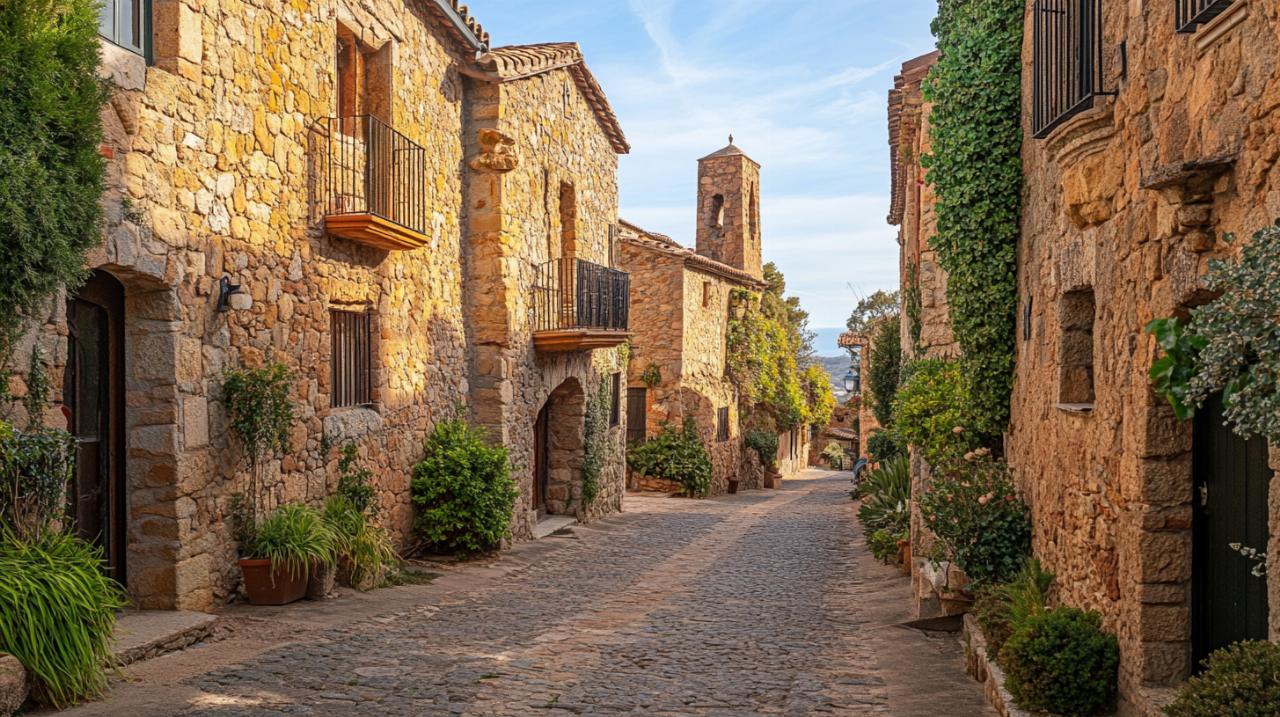
Planning a visit to Pals in February requires some consideration of the practicalities that come with travelling to the Costa Brava during the winter months. While the village is accessible year-round, the cooler temperatures and occasional rainfall mean that preparation is key to ensuring a comfortable and enjoyable experience.
Weather Expectations and What to Pack for Costa Brava in Winter
February in Pals is characterised by mild but cool weather, with daytime temperatures typically ranging from ten to fifteen degrees Celsius. While the climate is generally temperate, the proximity to the Mediterranean Sea can bring unpredictable conditions, including breezy days and occasional showers. Visitors should pack layers, including a warm jacket or coat, as well as waterproof outerwear to guard against rain. Comfortable walking shoes are essential for navigating the cobblestone streets, which can become slippery when wet. Despite the cooler temperatures, the sun can still be strong during clear days, so sunglasses and sunscreen are advisable.
The quieter season also means that some attractions and restaurants may have reduced hours or be closed entirely, particularly on weekdays. It is wise to check in advance whether specific sites or dining establishments will be open during your visit. The local market, which takes place on Tuesday mornings from eight until one, is a reliable fixture, offering fresh produce, artisanal goods, and a chance to mingle with residents. The flea market on Saturdays provides another opportunity to explore local crafts and secondhand treasures.
Accommodation Options and Getting Around the Medieval Village
Accommodation in Pals ranges from charming bed and breakfasts within the medieval quarter to holiday villas offered by companies such as Club Villamar, which provide a more private and spacious option for families or groups. Staying within the historic core allows for easy access to the main sights and an immersive experience of village life, while properties on the outskirts may offer more modern amenities and proximity to the beach at Platja de Pals, which lies just three kilometres from the village centre. For those seeking a golf-focused getaway, Golf de Pals, located near the sea, provides a scenic course that remains playable throughout the winter months.
Getting to Pals is straightforward, with several options depending on your starting point. From Barcelona, the drive takes approximately one hour and thirty-six minutes, while the journey from Girona is around fifty minutes by car. For those relying on public transport, the Moventis and Sarfa bus services connect Pals with other towns in the region, though schedules may be less frequent in the off-season. Alternatively, visitors can take a train to Girona and then transfer to a bus for the final leg of the journey. Once in Pals, the compact nature of the medieval village makes it easily explorable on foot, with most sights concentrated within a small area. For those wishing to venture further afield, a tourist train known as El Xiulet de Pals offers routes to nearby medieval villages, including options such as the Rice Route, Gothic Pals, and a Combined Tour.
Beyond the village itself, the surrounding area offers a wealth of attractions that merit exploration. The ancient Greco-Roman ruins of Empúries, with their temples and marketplaces, provide a fascinating contrast to the medieval heritage of Pals. The village of Peratallada, another beautifully preserved medieval settlement, is within easy reach and offers a similar atmosphere of historical continuity. For art enthusiasts, the Dalí Theatre-Museum in Figueres showcases the surreal works of Salvador Dalí, while the Castell de Sant Ferran, a vast bastion fortress built in the eighteenth century, stands as a monument to military engineering. The Monastery of Sant Pere de Rodes, a Romanesque structure perched on a hillside, commands views over the Cap de Creus Natural Park and the Mediterranean beyond.
For those seeking coastal scenery, the Far de Sant Sebastià lighthouse and the coastal path offer opportunities for walks with dramatic sea views, even in the cooler months. The Josep Pla lookout, named after the renowned Catalan writer, provides panoramic vistas of the rice fields and the landscape that inspired much of his work. These excursions can be undertaken independently or as part of organised tours, with options ranging from small-group experiences to private luxury explorations departing from Barcelona or Girona.
February in Pals is a time when the village reveals itself in all its quiet majesty, unadorned by the trappings of high season tourism. It is a month for those who appreciate the subtleties of history, the flavours of traditional cuisine, and the enduring beauty of a landscape shaped by centuries of human endeavour. Whether you are climbing the Torre de les Hores for sweeping views, savouring a dish of Arròs de Pals at a candlelit restaurant, or simply losing yourself in the labyrinthine streets of the medieval quarter, Pals offers an experience that is both timeless and deeply rooted in the cultural identity of the Costa Brava.