
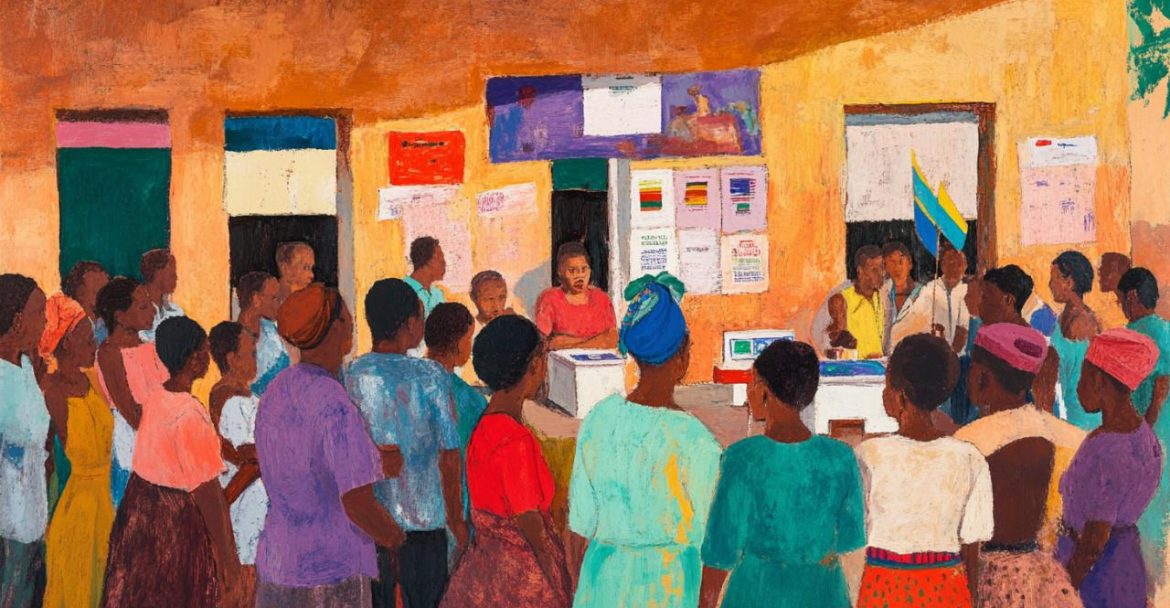
The legislative elections unfolding across Madagascar represent a pivotal moment for the island nation, as citizens cast their ballots to determine the composition of the National Assembly. This electoral exercise, fundamental to the country's democratic fabric, sees voters selecting deputies who will shape policy and governance for years to come. The process extends beyond a single day of voting, encompassing multiple rounds designed to ensure that elected representatives truly reflect the will of the Malagasy people. With political parties mobilising supporters and international observers monitoring proceedings, the stakes are high for both the ruling establishment and opposition movements seeking to influence the direction of parliamentary decision-making.
Understanding Madagascar's Legislative Framework and the National Assembly Elections
The Structure and Powers of Madagascar's National Assembly
Madagascar's National Assembly functions as the lower house of Parliament, wielding considerable authority over the legislative agenda and the scrutiny of government actions. Deputies elected to this chamber carry the responsibility of representing diverse constituencies across the vast island, from coastal regions to highland communities. The Assembly plays a crucial role in debating and passing laws that affect every aspect of Malagasy life, from economic policy to education reform. Its members hold the power to question ministers, approve budgets, and initiate legislation that can reshape the nation's trajectory. The composition of this body directly influences the balance of power between the executive branch and legislative oversight, making each election a defining moment for the country's political equilibrium. Understanding this structure helps illuminate why voter participation matters so profoundly, as the individuals chosen to occupy these seats will negotiate Madagascar's path through domestic challenges and international relationships.
The multi-round electoral process: how deputies are selected
The electoral system employed for National Assembly elections in Madagascar incorporates a multi-round voting mechanism designed to ensure that successful candidates secure genuine popular support. In the initial round, voters select from among numerous candidates representing various political affiliations and independent platforms. Should no candidate achieve the required threshold in the first round, a subsequent voting phase takes place, typically narrowing the field to the strongest contenders. This process aims to prevent fragmented representation and encourages coalition-building among political forces. The multi-round approach also provides voters with an opportunity to reconsider their choices in light of first-round results, potentially shifting support to candidates with realistic prospects of victory. Electoral authorities oversee the logistics of this complex process, managing polling stations across Madagascar's geographically challenging terrain, from remote rural villages to urban centres. The system reflects a commitment to thorough democratic deliberation, even as it demands sustained civic engagement from voters who must return to polling stations multiple times to complete the selection of their parliamentary representatives.
Key Political Actors and Stakeholders Shaping the Parliamentary Vote
President andry rajoelina's influence and political party dynamics
President Andry Rajoelina occupies a central position in the unfolding legislative elections, with his political movement seeking to secure a favourable parliamentary majority that would facilitate the implementation of his policy agenda. Since assuming the presidency, Rajoelina has worked to consolidate support among political parties aligned with his vision for Madagascar's development, emphasising infrastructure projects and economic modernisation. The electoral contest sees parties loyal to the president competing against opposition groups that challenge his administration's approach to governance and economic management. Political party dynamics in Madagascar remain fluid, with alliances forming and dissolving based on regional interests, personality-driven loyalties, and shifting calculations of political advantage. Candidates affiliated with the presidential camp have access to greater resources and media visibility, yet opposition movements draw on longstanding networks and dissatisfaction with aspects of government performance. The interplay between these competing forces shapes the electoral landscape, influencing voter perceptions and ultimately determining which political currents will dominate the National Assembly. The outcome will either strengthen the president's hand in advancing legislative priorities or create a more contested parliamentary environment requiring negotiation and compromise.
The Role of National and International Electoral Observers in Ensuring Transparency
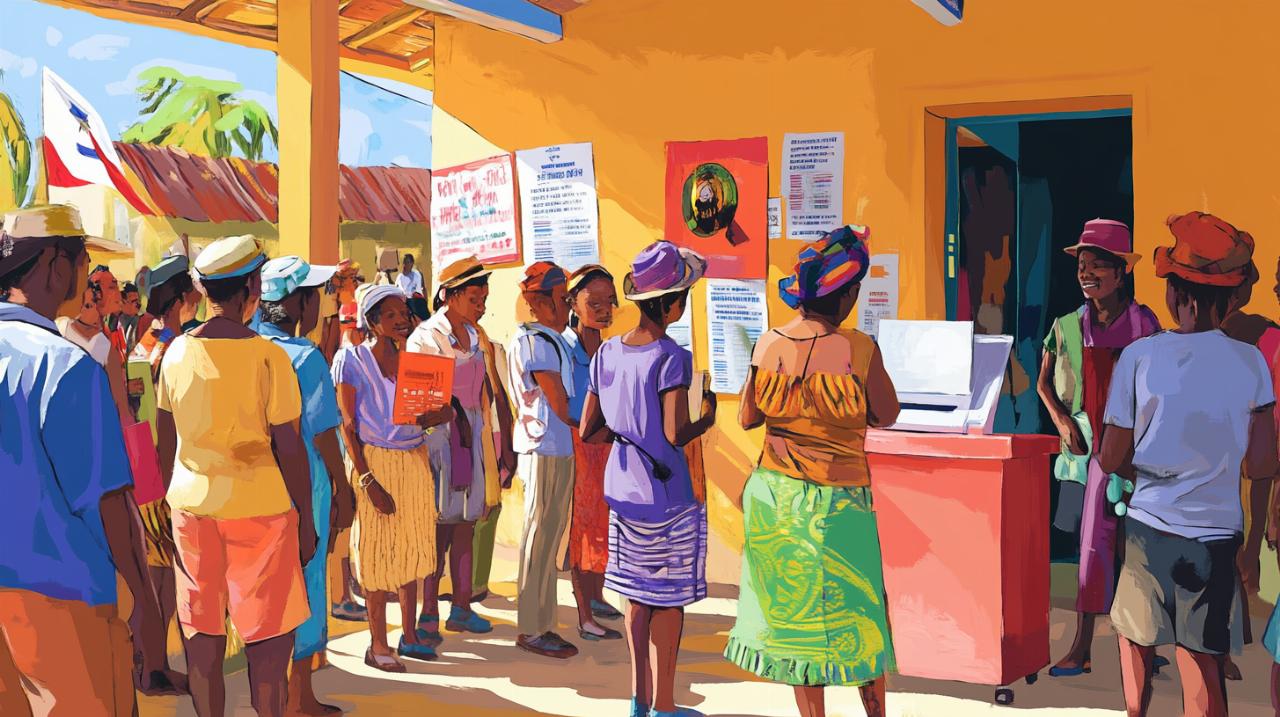
Electoral observation missions constitute a vital safeguard for the integrity of Madagascar's legislative elections, with both national and international groups deploying teams to monitor voting procedures and verify that democratic standards are upheld. The Southern African Development Community has dispatched observers alongside representatives from other international organisations, bringing experienced monitors who assess everything from voter registration processes to the counting of ballots. These missions scrutinise whether voters can cast their ballots freely without intimidation, whether polling stations operate according to established protocols, and whether results are tabulated accurately and transparently. National observation groups complement international efforts by leveraging local knowledge and maintaining a presence across more remote areas where international teams may have limited reach. The presence of observers serves multiple purposes: deterring potential irregularities, providing independent verification of electoral outcomes, and enhancing public confidence in the democratic process. Reports issued by these missions following the elections carry significant weight, shaping international perceptions of Madagascar's democratic health and influencing decisions by development partners and investors. For Malagasy voters, the visible presence of observers reinforces the expectation that their votes will be counted fairly and that electoral manipulation will be exposed and challenged.
The Impact of Voter Participation on Madagascar's Democratic Future and Political Landscape
Why Citizen Engagement Matters for Representative Democracy in Madagascar
Citizen engagement stands as the cornerstone of representative democracy in Madagascar, transforming abstract political institutions into living expressions of popular will. When voters participate actively in legislative elections, they exercise direct influence over which individuals will speak on their behalf in the National Assembly, shaping debates on taxation, public services, and development priorities. High voter turnout lends legitimacy to elected deputies and strengthens the mandate of the Assembly itself, creating a foundation for robust democratic governance. Conversely, widespread abstention or disengagement signals disconnection between political institutions and the citizenry, potentially undermining the effectiveness of parliamentary democracy. Madagascar's history includes periods of political instability and contested legitimacy, making sustained civic participation essential for consolidating democratic norms and practices. Voters who engage with the electoral process demonstrate their commitment to resolving political differences through peaceful, constitutional means rather than through extra-constitutional manoeuvres. This engagement extends beyond casting ballots to include informed debate about candidates' qualifications, scrutiny of campaign promises, and ongoing accountability between elections. For Madagascar's democracy to mature and deliver tangible improvements in governance, citizens must see their electoral participation as both a right and a responsibility, recognising that their choices directly shape the quality of representation they receive.
Anticipated Outcomes and Their Implications for Governance and Policy Direction
The anticipated outcomes of these legislative elections carry profound implications for Madagascar's governance trajectory and the policy direction the country will pursue in coming years. Should political parties aligned with President Rajoelina secure a commanding majority, the government would enjoy greater latitude to advance its legislative agenda without extensive negotiation or compromise. Such a scenario might accelerate decision-making on infrastructure investments, administrative reforms, and economic initiatives championed by the executive branch. Alternatively, a more fragmented Assembly with substantial opposition representation would necessitate coalition-building and cross-party dialogue, potentially moderating policies and incorporating diverse perspectives into legislative outcomes. The distribution of seats among parties will also influence parliamentary oversight functions, determining whether the Assembly acts primarily as a supportive partner to the executive or maintains robust independence in scrutinising government actions. Beyond immediate policy considerations, the elections will test Madagascar's democratic institutions and their capacity to manage political competition peacefully. International observers and development partners will assess whether the process meets acceptable standards for fairness and transparency, with implications for foreign assistance and investment confidence. For ordinary Malagasy citizens, the election results will shape the responsiveness of their representatives, the priorities reflected in national budgets, and ultimately whether parliamentary democracy delivers meaningful improvements in livelihoods and public services across this diverse and challenging island nation.