
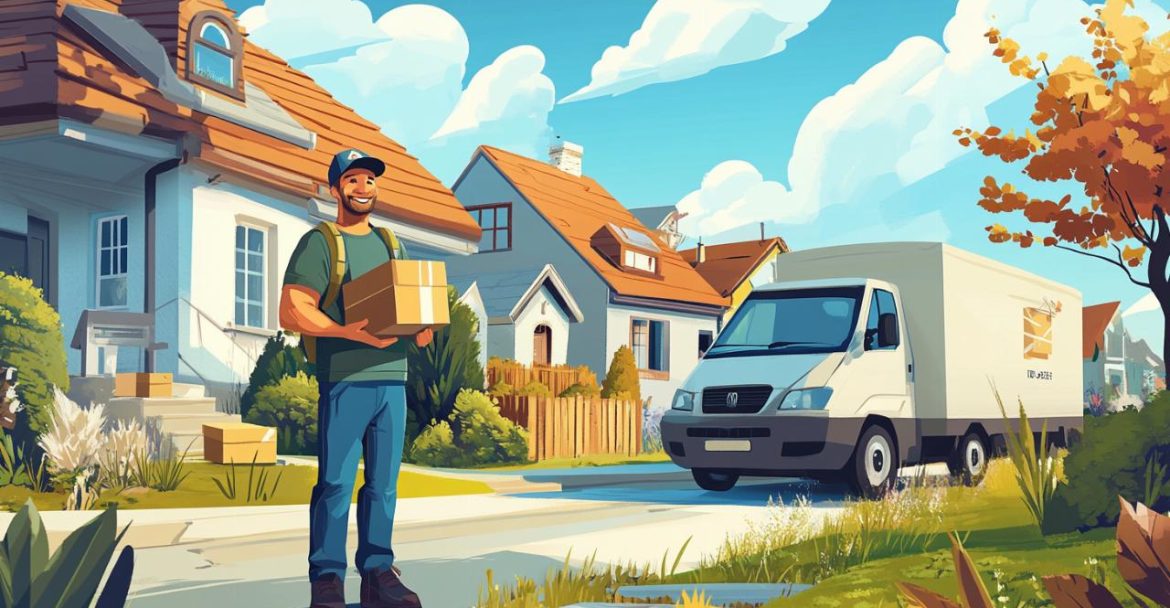
Waiting for the postman to deliver a much-anticipated parcel can feel like watching the kettle boil. Whether it's a special order you've been eagerly tracking or just a regular letter, understanding how postal services operate can ease the uncertainty. The journey from sender to recipient involves a sophisticated network of sorting offices, transport logistics, and dedicated postal workers. Knowing what goes on behind the scenes helps set realistic expectations and gives peace of mind when that knock on the door finally comes.
Understanding your local delivery rounds and collection times
How postal routes determine when your postman calls
Every neighbourhood has its own unique delivery schedule, shaped by the route your local postman follows. Royal Mail organises its rounds based on geography, population density, and the volume of post in each area. Urban centres with tightly packed streets might see their postman earlier in the day, while rural locations often receive deliveries later as the route covers greater distances. The system ensures that each address receives attention at least once during working days, typically aiming for completion by half past four in the afternoon. However, parcels with specific delivery time slots might arrive later, especially if the driver has numerous stops to make along the way.
The predictability of your postman's arrival depends largely on how efficiently the route can be completed. Factors such as road conditions, traffic congestion, and even the weather play a part in determining the exact moment your post arrives. Royal Mail delivers from Monday to Saturday, with Sunday deliveries reserved for certain services. It's worth noting that bank holidays see no deliveries at all, so planning around these dates is essential if you're expecting something time-sensitive. For most households, the postman becomes a familiar figure, arriving at roughly the same window each day, barring unexpected disruptions.
Morning versus afternoon deliveries: what affects your schedule
The time of day your post arrives is influenced by several variables, including the classification of your mail and the specific service chosen by the sender. First class mail is prioritised for next working day delivery, which often means it's processed and dispatched quickly through the sorting network. This urgency can result in earlier deliveries, particularly for letters. On the other hand, second class mail is delivered every other day from Monday to Friday, making its arrival less predictable. Parcels sent via first or second class services are delivered Monday to Friday, while other tracked services extend to Saturdays.
Another consideration is the location of your postbox and the timing of collections. Postboxes are usually emptied once daily, typically in the late afternoon between four o'clock and half past six, though city centres might see collections as late as half past seven. On Saturdays, collection times shift earlier, generally between seven in the morning and half past one. Rural areas may experience even earlier collection times due to the logistics of covering larger distances. The Postal Services Act 2011 mandates at least one collection per working day from access points, ensuring that even remote communities remain connected to the postal network. Understanding these patterns helps senders choose the best time to post their items for prompt processing.
Inside the sorting office: the journey before your doorstep
How parcels and letters are processed overnight
Once your letter or parcel is collected from a postbox, it embarks on a journey through the sorting office, where an intricate process unfolds. Sorting offices operate around the clock, with much of the work taking place overnight to ensure mail is ready for the next day's deliveries. Upon arrival, items are separated by size, weight, and destination. Automated machines scan postcodes and sort letters into bins corresponding to specific delivery routes, while larger parcels are handled manually or with the aid of conveyor systems. This efficiency is crucial for meeting quality of service targets, such as delivering at least ninety-three per cent of first class mail by the next working day.
The Postal Services Act 2011 sets out a universal service obligation, requiring Royal Mail to collect and deliver letters and parcels at least once every working day across the entire United Kingdom. This commitment means that even during peak periods, such as the festive season, sorting offices must maintain high standards of speed and accuracy. Staff work in shifts to keep the operation running smoothly, and advanced technology aids in tracking each item through the system. Despite these measures, occasional delays can occur due to factors like adverse weather, public holidays, strikes, or incorrect addresses. When such issues arise, Royal Mail considers mail lost after ten working days for first class items and five working days for special delivery services.

The Role of Transport Methods: Vans, Motorbikes, and Technology
Transporting sorted mail from the sorting office to your doorstep involves a fleet of vehicles tailored to different environments. In busy urban areas, motorbikes and bicycles offer manoeuvrability, allowing postal workers to navigate congested streets and reach addresses quickly. Vans are the workhorse of suburban and rural deliveries, capable of carrying large volumes of parcels and letters over extended routes. Each vehicle is loaded according to the delivery sequence, ensuring that the postman can work through their round efficiently without unnecessary backtracking.
Technology has transformed the way postal services operate, bringing greater transparency and reliability to the process. Tracking systems allow recipients to monitor the progress of their parcels in real time, providing updates at key stages from dispatch to delivery. Handheld devices enable postal workers to scan items upon delivery, creating a digital record that can be accessed if queries arise later. Special Delivery Guaranteed, for instance, offers a guaranteed delivery by a specific time, such as one o'clock the next day, with compensation available if the promise is not met. This level of accountability is underpinned by the Postal Services Act 2011 and overseen by Ofcom, which monitors performance and investigates complaints. The combination of traditional transport methods and modern technology ensures that postal services remain both efficient and adaptable to the needs of a diverse population.
Setting realistic expectations for package arrival
Factors that influence delivery schedules and timings
Setting accurate expectations for when your parcel will arrive requires an understanding of the various factors at play. The type of postage selected by the sender is the most significant determinant. First class mail aims for next working day delivery, though this is not a guarantee, while second class mail typically takes two to three working days. Royal Mail must meet specific quality targets, delivering at least ninety-eight and a half per cent of second class mail within three working days. However, external factors such as extreme weather conditions, industrial action, or incorrect address details can introduce delays beyond the control of postal services.
Proof of postage is essential if you wish to make a claim for delayed or lost mail. Keeping receipts and tracking information allows you to demonstrate when an item was posted and what service was used. Complaints regarding lost or delayed items must be submitted within eighty days of posting, with Royal Mail offering compensation depending on the service level. For instance, if a special delivery item does not arrive by the guaranteed time, you are entitled to a refund or compensation. Citizens Advice provides guidance on navigating the claims procedure, ensuring that consumers understand their rights and responsibilities. By staying informed and retaining documentation, you can protect yourself against potential issues and seek redress when necessary.
Tracking your post: modern tools to monitor your delivery
The advent of tracking technology has revolutionised the way we monitor our post, offering reassurance and visibility throughout the delivery process. Most postal services now provide online tracking tools, accessible via their websites or mobile apps. By entering a unique tracking number, you can see exactly where your parcel is at any given moment, from the sorting office to the delivery van and finally to your doorstep. This transparency reduces anxiety and allows you to plan your day around the anticipated arrival time.
For those who prefer direct communication, Royal Mail offers a customer service line available Monday to Friday from eight in the morning to half past six in the evening, on Saturdays from eight until three, and on Sundays from nine until two. This service can address specific queries about your delivery, provide updates on delays, and assist with claims for lost or damaged items. Ofcom, the regulatory body overseeing postal services, also investigates complaints when resolution cannot be reached directly with the provider. Understanding these resources empowers you to take action if things go awry, ensuring that your consumer rights are upheld. In an age where convenience and speed are paramount, tracking tools and accessible support channels make the postal experience more reliable and user-friendly than ever before.